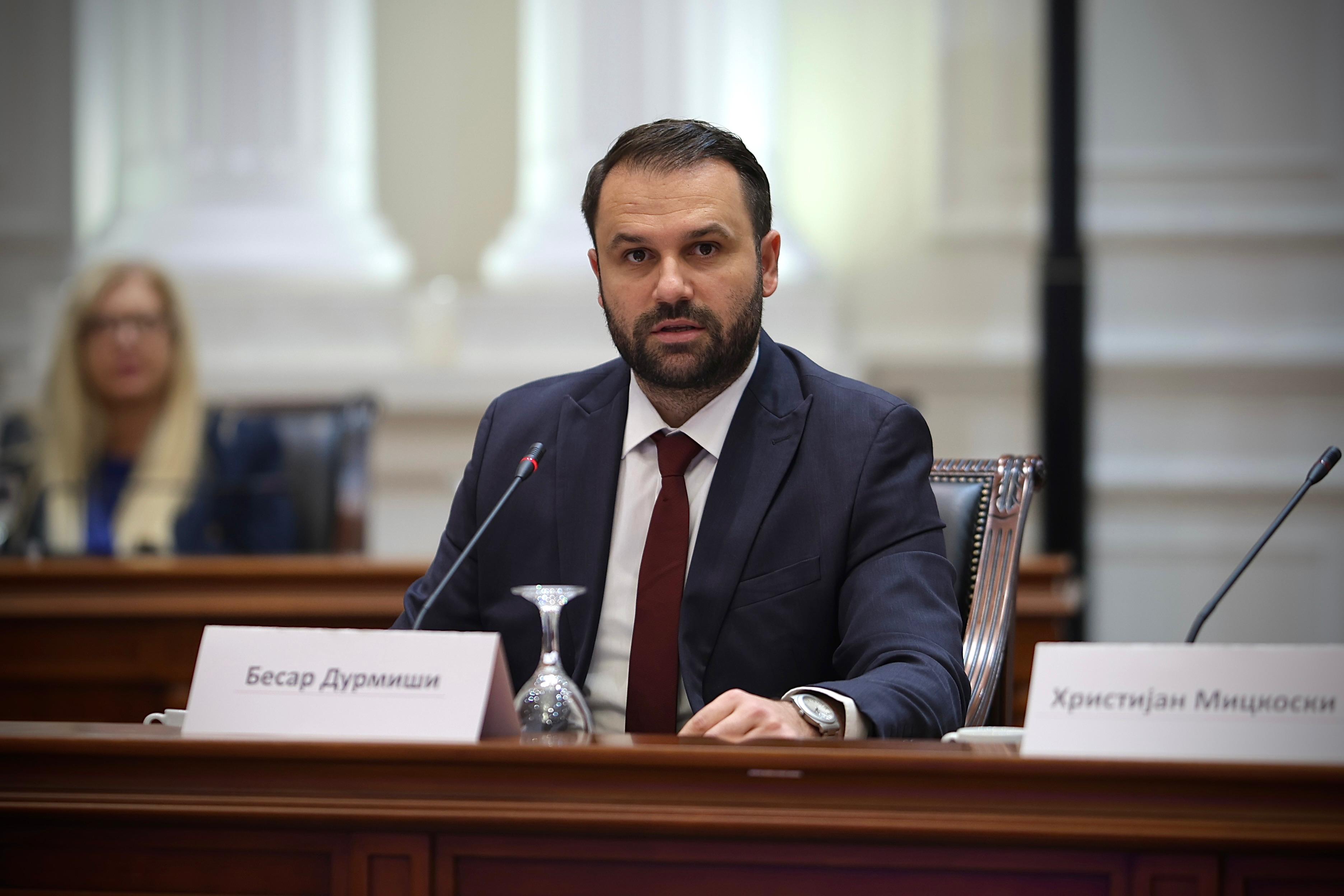

Skopje, October 27. 2026 – Today, the Government of the Republic of North Macedonia, employers' organizations, trade unions, and the International Labour Organization (ILO) signed the Dignified Work Country Programme for the period 2026–2030, reaffirming their shared commitment to inclusive economic growth, quality and productive jobs, and stronger labour market institutions.
"By signing the National Dignified Work Programme 2026–2030, we reaffirm our commitment to creating higher-quality, better-paid, and more secure jobs. Our priorities include advancing workers' rights, developing skills in line with labor market needs, increasing the inclusion of young people and women, and reducing the informal economy. In partnership with the International Labour Organization and social partners, we are continuing reforms aimed at improving working conditions and strengthening the economy. We will measure the success of this programme through the tangible improvements experienced by workers and companies, as our goal is to make dignified work a reality for every citizen," said the Minister of Economy and Labour, Besar Durmishi.
Developed through tripartite consultations, the Programme provides a framework for cooperation between the ILO and its tripartite constituents in North Macedonia. It is aligned with the United Nations Sustainable Development Cooperation Framework (UNSDCF) 2026–2030, contributing to the realization of its strategic priority regarding a sustainable economy and dignified work. The Programme also links labour market reforms to the country’s broader sustainable development agenda and its European integration goals.
"Through shared commitment and dedication, we can build a more inclusive, productive, and resilient labour market. By working together, we can create quality jobs, strengthen labour market institutions, support the development of sustainable enterprises, and realize fundamental principles and rights at work," stated Claire Harasty, ILO Director for Central and Eastern Europe.
The world of work in North Macedonia is changing. Although the country is making continuous progress in socio-economic development, labour shortages, demographic shifts and emigration, the mismatch between the supply of and demand for skills, low participation of women and young people in the labour market, informal employment, and limited productivity continue to pose significant challenges.
The new National Dignified Work Programme addresses these challenges and focuses on three priority areas: creating an enabling economic environment—through the harmonization of labour legislation and occupational safety and health legislation, the advancement of social dialogue and collective bargaining, and support for productive, competitive, innovative, and sustainable small and medium-sized enterprises; advancing vocational education and skills development—by improving vocational education, training, and lifelong learning systems to better meet the needs of the labour market; and enabling the economic empowerment of women—by promoting equal opportunities and removing barriers to labour market participation, including caregiving responsibilities, the gender pay gap, and violence and harassment in the workplace.